Nine Restoration Stations Completed!
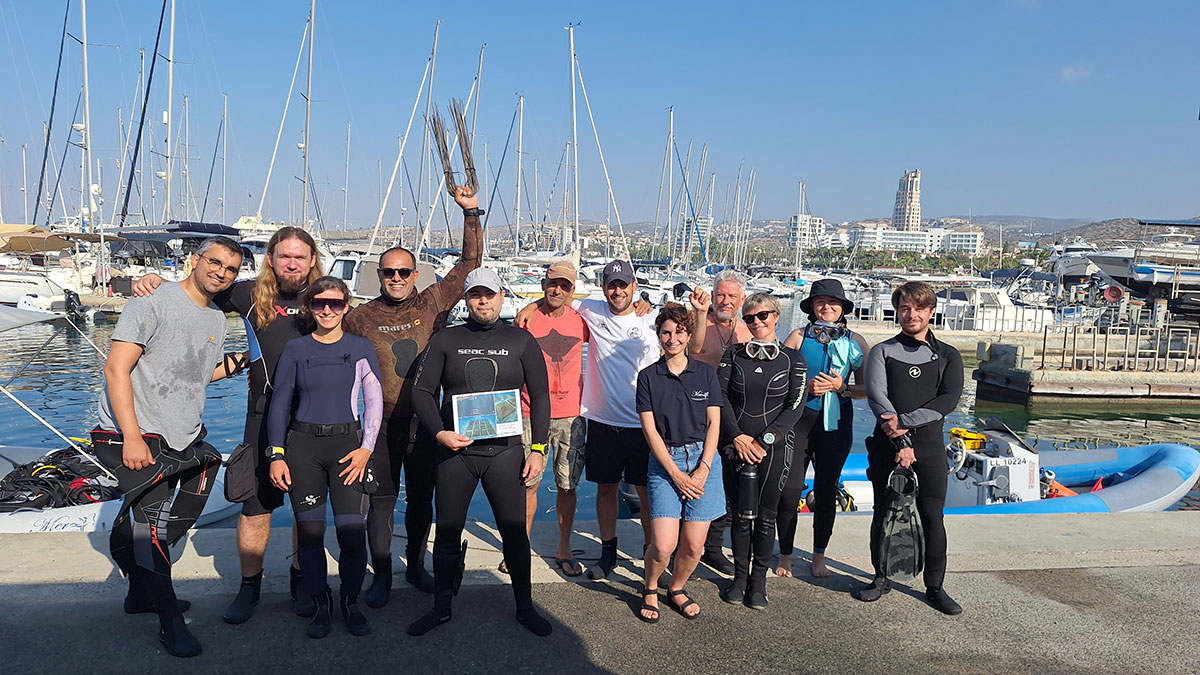
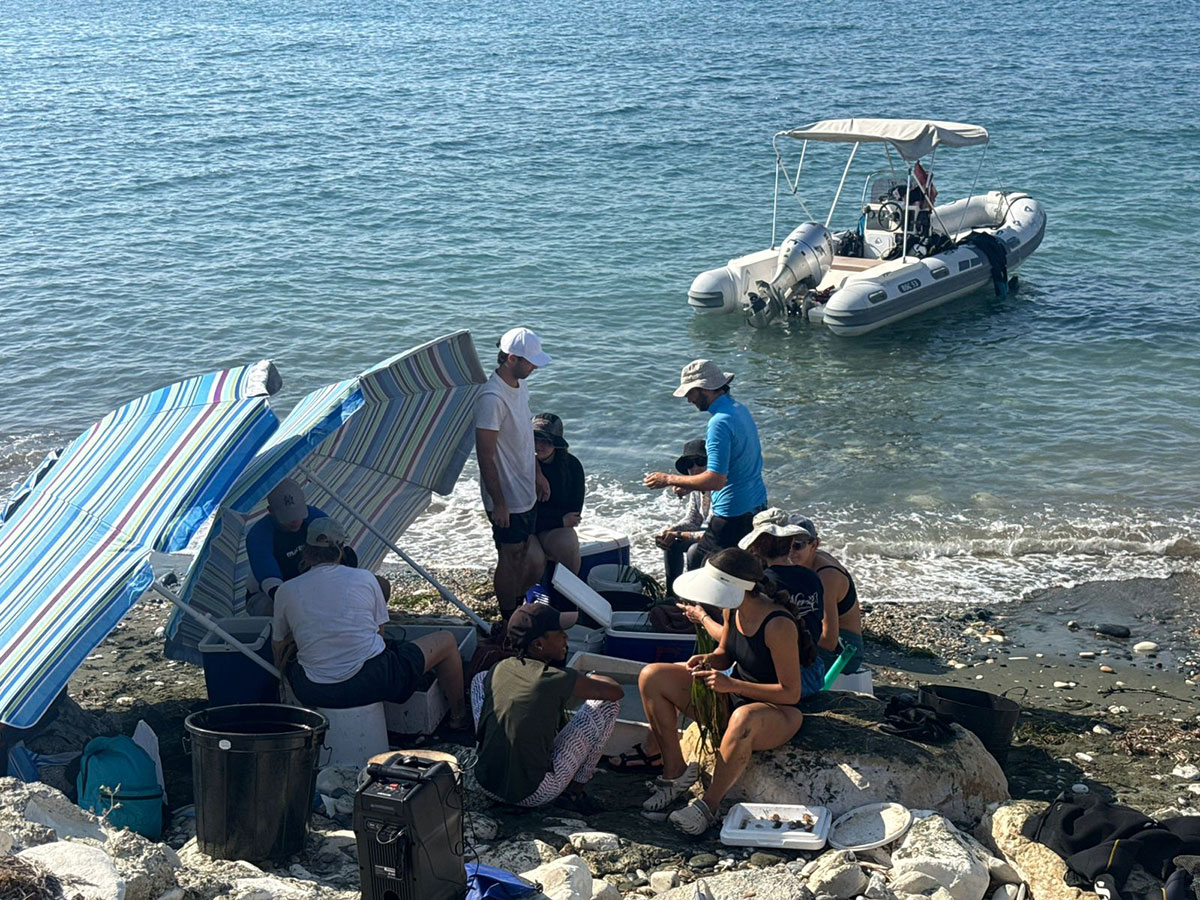
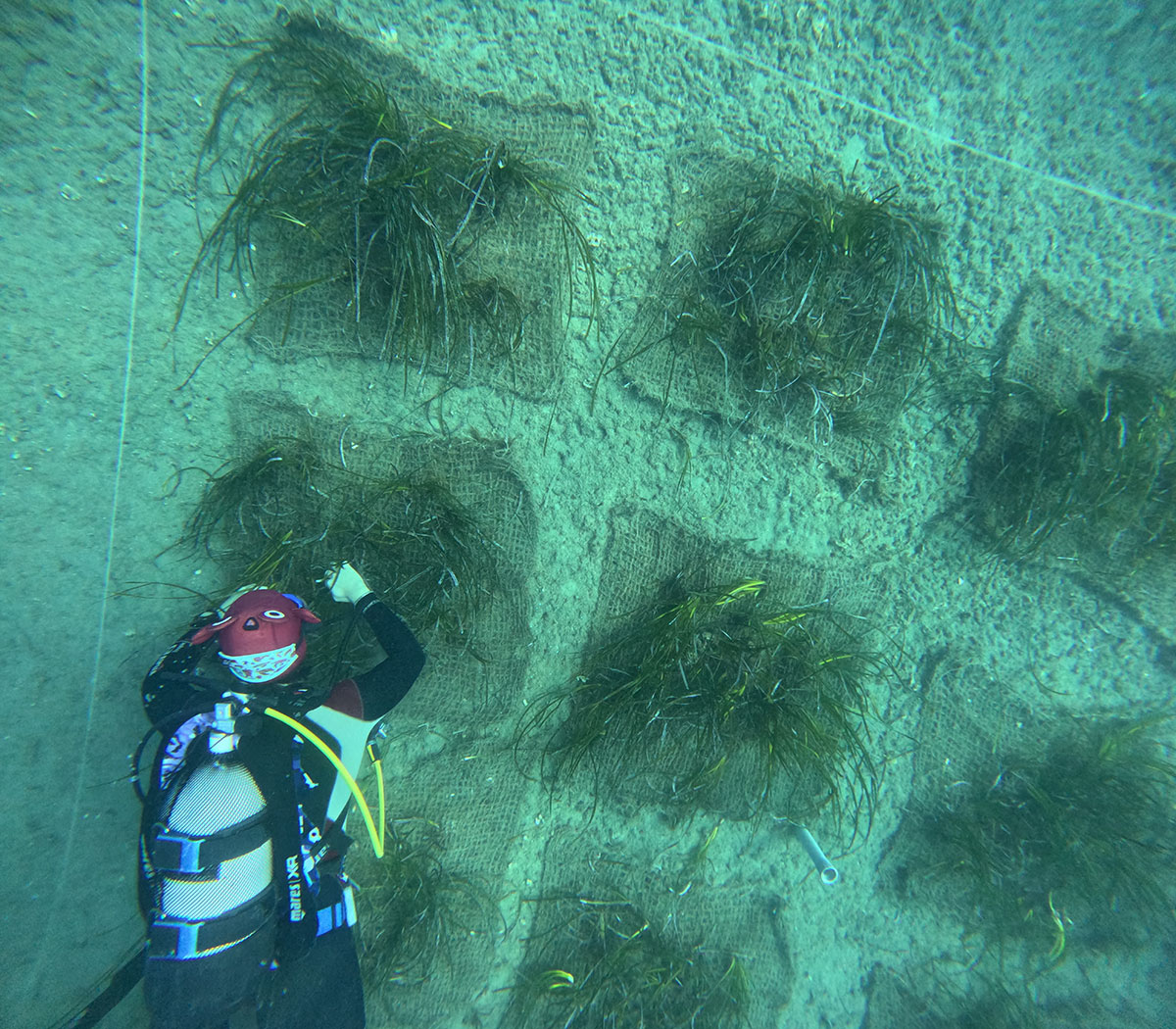
We are delighted to announce the successful completion of all nine Posidonia oceanica restoration stations of the RESPOSCY project!
Our restoration sites now include:
3 stations in Amathounta
3 stations in Moni
3 stations in Zygi
Reaching this milestone marks the successful completion of the transplantation phase, but in many ways, the most important work is only just beginning.
What RESPOSCY Has Achieved
The RESPOSCY project has delivered several important milestones for marine conservation in Cyprus:
Conducted the first Posidonia oceanica restoration trials in Cyprus.
United researchers, government authorities, academics, dive centres, and local communities around a shared conservation goal.
Developed and implemented a scalable, sustainable, and cost-effective restoration protocol.
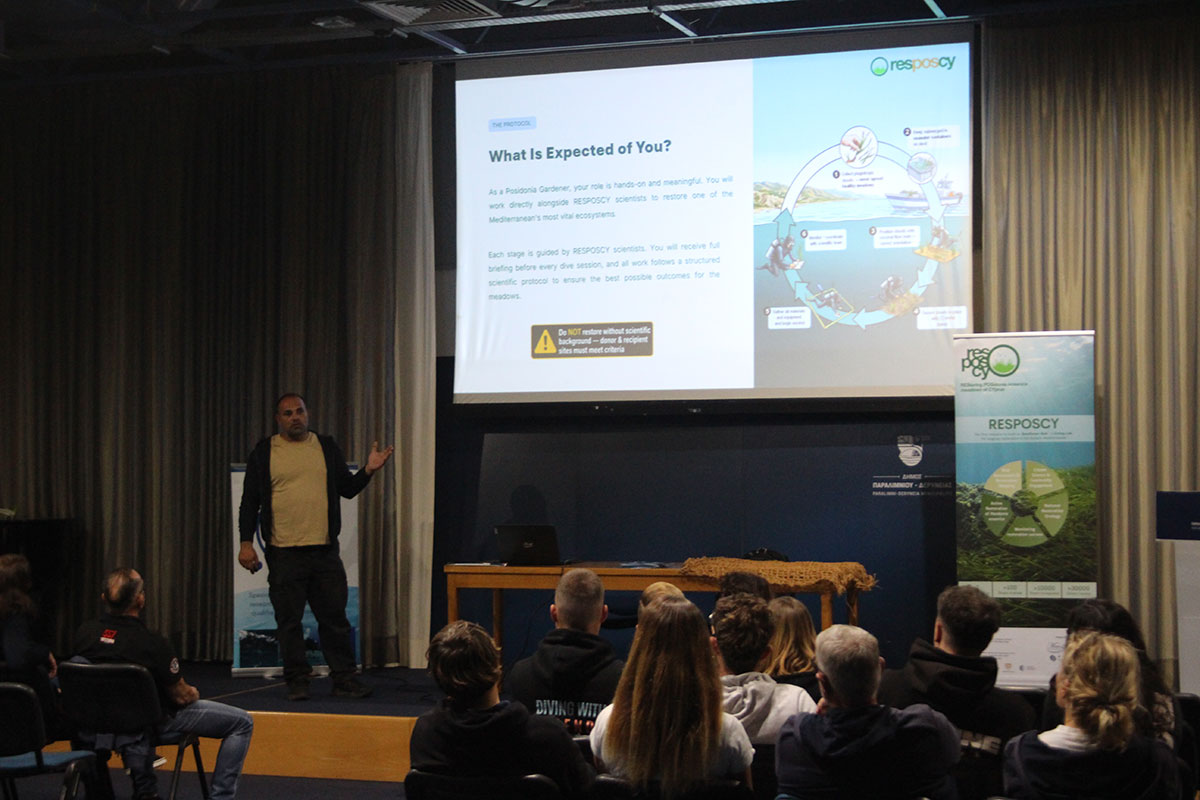
Trained more than 100 volunteer divers, empowering them to become active "Posidonia Gardeners" and long-term stewards of Cyprus' seagrass meadows.
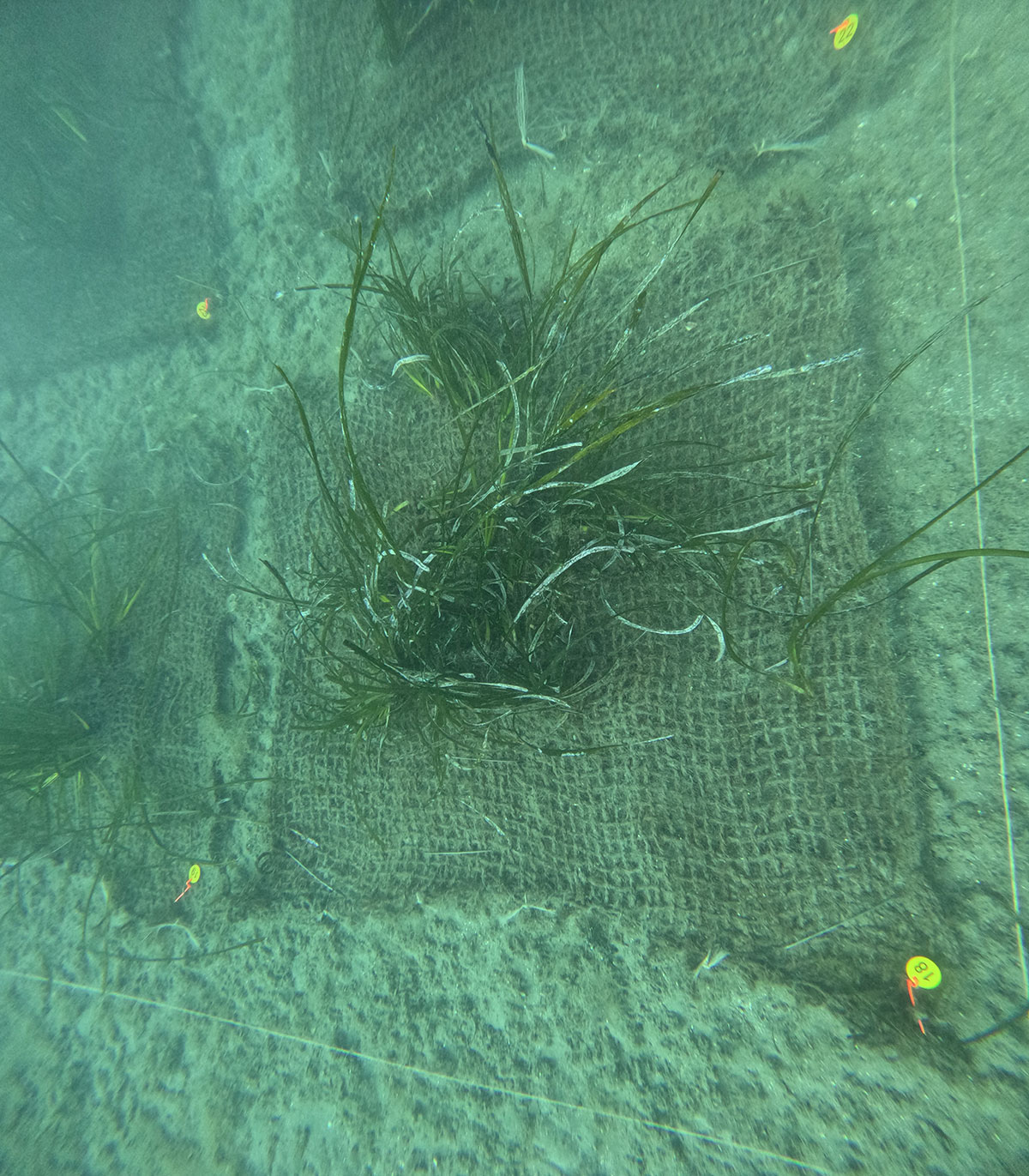
Established restoration trials at three locations, three depths, and using three innovative transplantation techniques.
Transplanted approximately 3,000 cuttings, representing around 10,000 Posidonia shoots.
Science-Based Restoration
Our restoration work follows the latest scientific understanding of Posidonia restoration.
The transplanted cuttings were sustainably collected from healthy Posidonia oceanica meadows within the footprint of the future Pentakomo Port development, preserving plants that would otherwise have been lost during dredging while safeguarding valuable genetic material.
The project also tested innovative biodegradable anchoring techniques, including coconut fibre mats, as a sustainable alternative to conventional materials. These methods support transplant establishment and may provide an environmentally friendly solution for future large-scale restoration.
Now Comes the Monitoring
Every restoration station now enters a long-term monitoring programme. During the first three months after transplantation, each station will be monitored monthly to assess the early establishment of the transplants. This will be followed by seasonal monitoring over the next nine months and annual monitoring for up to five years. It is through careful monitoring that we learn which techniques work best, how the transplants adapt to their new environment, and how we can improve future restoration efforts across the Mediterranean.
Looking Beyond the Original Project
The enthusiasm surrounding the project has been truly inspiring.
We have already received interest from dive teams in Protaras, Larnaca, and Paphos who would like to establish Posidonia Gardens in their own regions. We would love to support these initiatives and expand restoration efforts beyond the original goals of RESPOSCY and we want to keep in contact.
Thank You
None of this would have been possible without the incredible support of our partners, volunteers, Posidonia Gardeners, dive centres, researchers, government managers, and everyone who has joined us throughout this journey.
Thank you for helping make Cyprus' first Posidonia restoration project a reality.
We hope to see many of you again during the monitoring surveys over the coming months and years. Restoration is a long journey, and together we are giving Cyprus' underwater meadows the opportunity to recover and flourish for generations to come.